Plastic Components Inside Pumps — Balance of Cost, Corrosion‑Resistance & Service Life
[ August 12, 2026 ]
Many end‑users associate pump durability purely with metal materials. Yet high‑quality engineering plastic parts play an irreplaceable role inside modern centrifugal, multistage and submersible pumps. TERRAWELL breaks down the functions, material grades, application boundaries and selection notes for internal plastic pump components.
Where plastic parts are used inside pumps
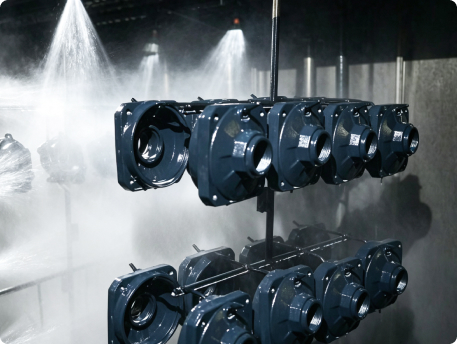
Common internal plastic components mainly include impellers, diffusers, guide vanes, bushings, wear rings and flow‑passage housings. These rotating or static wetted parts sit in direct contact with pumped liquid. They work together with metal shafts, mechanical seals and motor assemblies.
Main engineering plastic grades applied by TERRAWELL
-
PP (Polypropylene)Good general corrosion resistance against weak acid and weak alkali. Cost‑effective, widely used for clean water, light domestic wastewater. Not suitable for high‑temperature media. Continuous working temperature normally below 60 °C.
-
PPS (Polyphenylene Sulfide)High‑performance high‑temperature‑resistant engineering plastic. Outstanding dimensional stability, wear resistance and chemical tolerance. Able to withstand operating temperature up to 90‑110 °C. TERRAWELL adopts PPS for impellers and diffusers in multistage pumps and deep‑well pumps for heavy‑duty water supply and water‑treatment systems.
-
Nylon / PA reinforced with glass‑fiberHigh mechanical strength and anti‑abrasion performance. Mainly used for bushings and sliding wear parts. Reduces metal‑to‑metal friction inside pumps, lowering noise and protecting metal shafts.
Core advantages of qualified engineering plastic pump parts
- Excellent anti‑corrosion performance: Resists scale, chlorine and mild chemical liquid, avoids rust risk compared with cast iron.
- Light weight: Lower rotational inertia helps pumps start smoothly and reduces running noise.
- Smooth flow surface: Low hydraulic loss, helps maintain pump efficiency.
- Anti‑seizure property: Plastic‑metal matching prevents shaft locking caused by scale or tiny solid particles.
Limitations that cannot be ignored
Engineering plastic is not universal. Mis‑application will shorten pump service life drastically.
- Temperature limit: Ordinary PP will deform under high‑temperature water. Always follow the pump rated medium‑temperature range.
- Solid particle content: Large‑size abrasive sand grains will accelerate wear of plastic impellers and diffusers. For water with heavy sand content, reinforced plastic or metal hydraulic parts shall be considered.
- Chemical compatibility: Strong solvent, concentrated acid or alkali may cause swelling, cracking or aging of plastic components.
TERRAWELL practical selection reminder
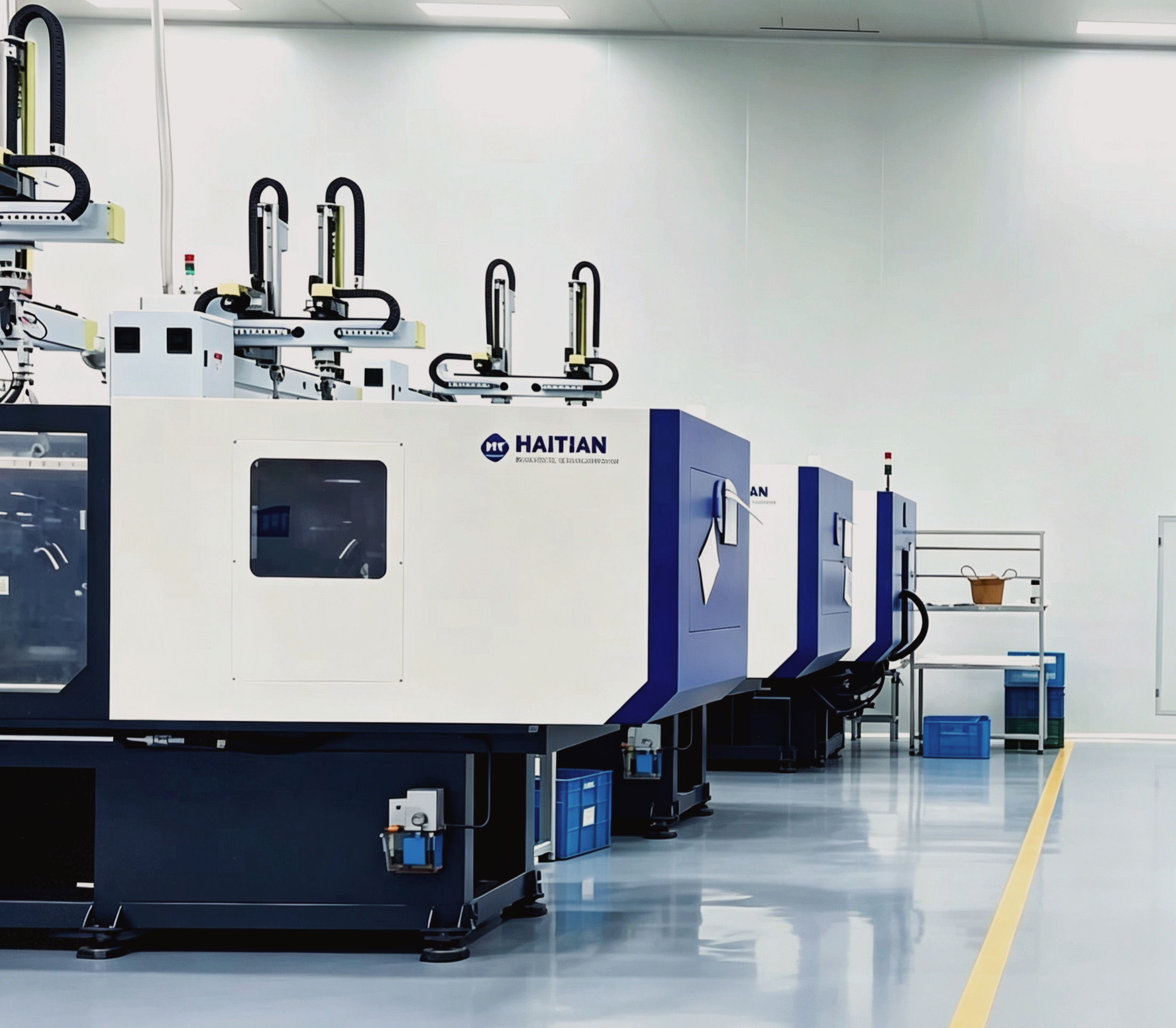
Plastic components do not equal low‑grade quality. The difference lies in material formula, glass‑fiber filling ratio and moulding process.
- For regular clean cold‑water supply, HVAC and RO boosting: reinforced PP and PPS plastic hydraulics deliver stable performance with competitive cost.
- For hot‑water circulation, media containing chemical additives: confirm plastic grade and temperature rating before project specification.
- For water carrying high sand content: prefer stainless‑steel hydraulic assemblies.
TERRAWELL provides both plastic and stainless‑steel hydraulic component options for most pump series. Contact our technical team to match proper internal material solution according to your actual medium, temperature and water‑quality condition.