Deep‑Well Submersible Pump vs Hand‑Well Pump — Key Considerations for Groundwater‑Level Variations
[ August 12, 2026 ]
Groundwater level is the decisive factor for well‑pump system performance. Many well‑project malfunctions stem from misunderstanding static water level, dynamic drawdown and seasonal water‑table drop, and selecting the wrong pump type. TERRAWELL analyses the working boundaries between electric deep‑well submersible pumps and manual hand‑well pumps, helping buyers and field technicians make reliable pump selection for rural, off‑grid and backup water‑supply scenarios.
Core Well‑Water Terminology
- Static Water Level (SWL): Stable water depth when pumping stops and aquifer recovers.
- Dynamic Water Level & Drawdown: Water‑level drop while pumping. The cylinder/pump intake must stay under the lowest seasonal dynamic water level.
- Seasonal water‑table fluctuation: Groundwater declines notably in dry seasons. This safety margin cannot be ignored for both electric and manual well pumps.
TERRAWELL Deep‑Well Submersible Pump (Electric)
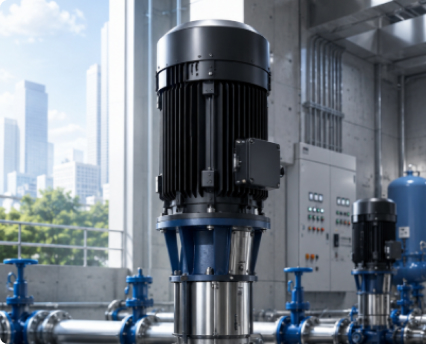
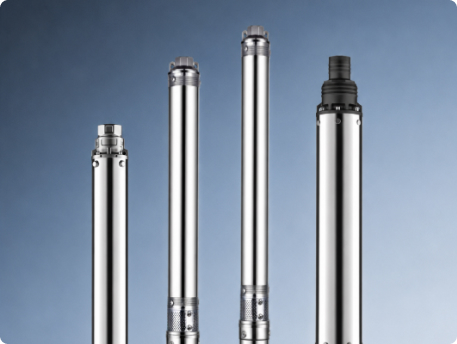
The electric deep‑well submersible pump is fully submerged underwater. Multi‑stage impellers push water upward through delivery pipes, breaking atmospheric suction‑lift limits.
Groundwater‑level compatibility
‑ Works reliably when static water level ranges from 8 m to hundreds of metres.
‑ Installation rule: Place pump intake 1‑2 m below the minimum dry‑season dynamic water level, to guarantee full submergence for motor cooling and stable water intake.
‑ Strong tolerance for large drawdown. Capable of 24/7 continuous heavy‑duty operation for village water supply, agriculture and industrial groundwater intake.
‑ Limitation: Requires power supply; lifting out of borehole is required for inspection and maintenance.
TERRAWELL Hand‑Well Pump (Manual Well Hand Pump)
Hand‑well pump is a manual piston‑type pumping device without electricity supply. Two main configurations exist: shallow suction hand‑well pump and deep‑well hand‑well pump with submerged cylinder and long pump rods.
Groundwater‑level compatibility
-
Shallow suction‑type hand‑well pumpRelies on atmospheric suction. Practical suction lift is limited to max 7‑8 m static water level. If drawdown increases during water intake, priming failure and no‑flow will easily occur. Only fit wells with very stable shallow groundwater, intermittent low‑volume domestic use.
-
Deep‑well hand‑well pump (submerged cylinder type)Piston‑cylinder assembly is placed below water surface, connected by long pump rods to surface operating handle, escaping atmospheric suction constraints.‑ Cylinder must be installed beneath the lowest anticipated dynamic water level in dry seasons. Once water level falls under cylinder, pumping completely fails.‑ Can handle deep wells, but manual output flow is low, designed for emergency backup, off‑grid household drinking water, not for large‑volume continuous water extraction.‑ Limitation: Labour‑intensive for high‑volume water demand; rod‑cylinder system needs regular inspection.
TERRAWELL Selection Advice
✅ Select Deep‑Well Submersible Pump, if:
‑ Stable power supply available;
‑ Need high‑flow, continuous water output for irrigation or community water‑supply;
‑ Significant seasonal groundwater drawdown exists.
✅ Select Hand‑Well Pump, if:
‑ No reliable power supply or used as emergency backup system;
‑ Low‑volume intermittent domestic drinking‑water demand;
‑ Confirm measured dry‑season lowest dynamic water level is above cylinder installation position.
Before final ordering, collect measured static water level, drawdown data under target yield, borehole diameter and seasonal water‑level variation. TERRAWELL engineering team provides professional well‑condition‑based sizing support. Contact us for custom proposal and quotation.